Blog · Day-of craft
The run of show method: how calm wedding days are actually made
· 6 min read
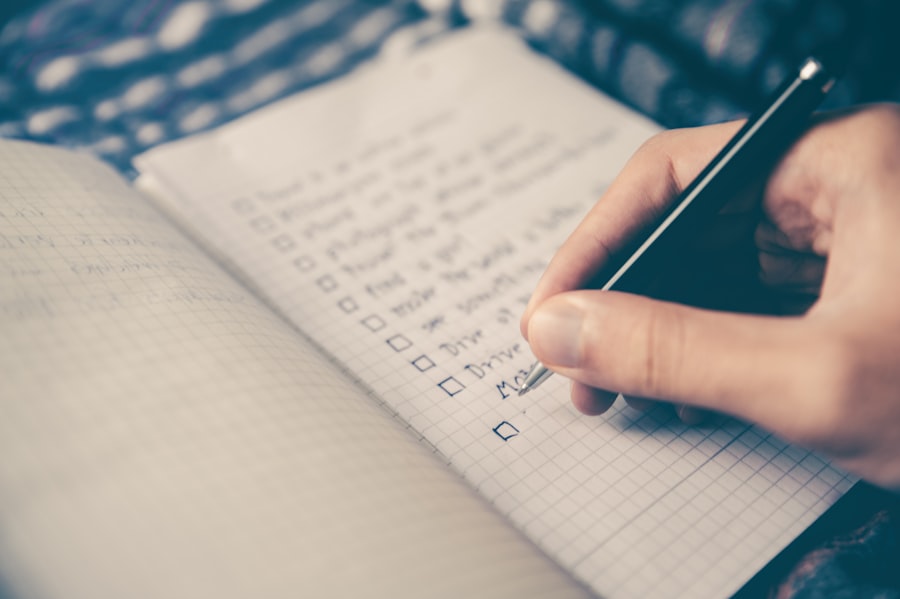
Ask a couple what they remember about a great planner and they will say some version of "we never worried once." That feeling is manufactured. It is built in the two weeks before the wedding, minute by minute, in a document planners call the run of show.
A run of show is not a schedule. A schedule says the ceremony is at 4:30. A run of show says the string quartet starts the prelude at 4:05, the officiant is staged at 4:20, grandmothers are seated at 4:22 by the lead coordinator, doors close at 4:28, and if the shuttle from the hotel is late the buffer lives between cocktail hour and grand entrance, not before the ceremony. One is information. The other is control.
Build it backwards from the fixed points
Start with the moments that cannot move: the ceremony time, sunset if photos matter, the venue's hard out. Everything else is negotiable and gets placed relative to those anchors. Hair and makeup expands to fill whatever time you give it, so give it a deadline with a named person responsible for calling it done.
Every line gets three things: a time, a duration, and an owner. "Cake cutting, 8:40, 10 minutes, banquet captain cues the couple." A line without an owner is a wish.
Vendor arrivals are half the game
Most day-of fires are actually arrival fires: the florist who loads in when the ceremony room is being flipped, the band that shows up during toasts to sound-check. Put every vendor's arrival and load-in on the same timeline as the events themselves, then read it once top to bottom looking for collisions.
This is where software earns its keep. A timeline that checks vendor arrival times against the schedule and flags the photographer arriving after first-look coverage starts will catch, in one second, the mistake that survives four human proofreads.
Print the call sheets anyway
Yes, everyone has a phone. Phones die, venues have dead zones, and a caterer mid-service will not scroll an app. Print call sheets: one page per vendor with their times, their contact for the day, and nothing else. The full run of show is your document. The call sheet is theirs.
The couple gets a third artifact: the guest-facing timeline, stripped of logistics. Nobody at table nine needs to know when the rentals get struck.
Run the day in live mode
On the day, the run of show stops being a plan and becomes a checklist. Check items off as they happen and watch the variance: if you are twelve minutes behind at dinner service, you want to decide right then which ten minutes to reclaim, not discover the problem when the band asks about overtime.
The planners who look calm are not calmer people. They just know, at every moment, what happens next and who owns it. That knowledge is buildable, and it is the single highest-leverage document in this profession.
WeddingBoard is the back office built for this work.
Leads, run of show, invoices, vendors, and a couple portal. Free to start.
Start free